
How to Choose Fresh Indian Sweets in Melbourne
Indian sweets have a way of making an ordinary visit feel like an occasion. A small box of kaju katli can become a thank-you gift, a few laddoos can complete a family meal, and a carefully chosen assortment can bring familiar flavours to a celebration far from home. But when you are standing in front of a display filled with different colours, textures and names, how do you know what to choose?
If you are looking for fresh Indian sweets in Melbourne, the best starting point is not simply finding the largest selection. It is understanding what you enjoy, how the sweets are prepared, when you plan to serve them and which varieties suit the occasion. This guide explains the practical details that can help you make a more confident choice.
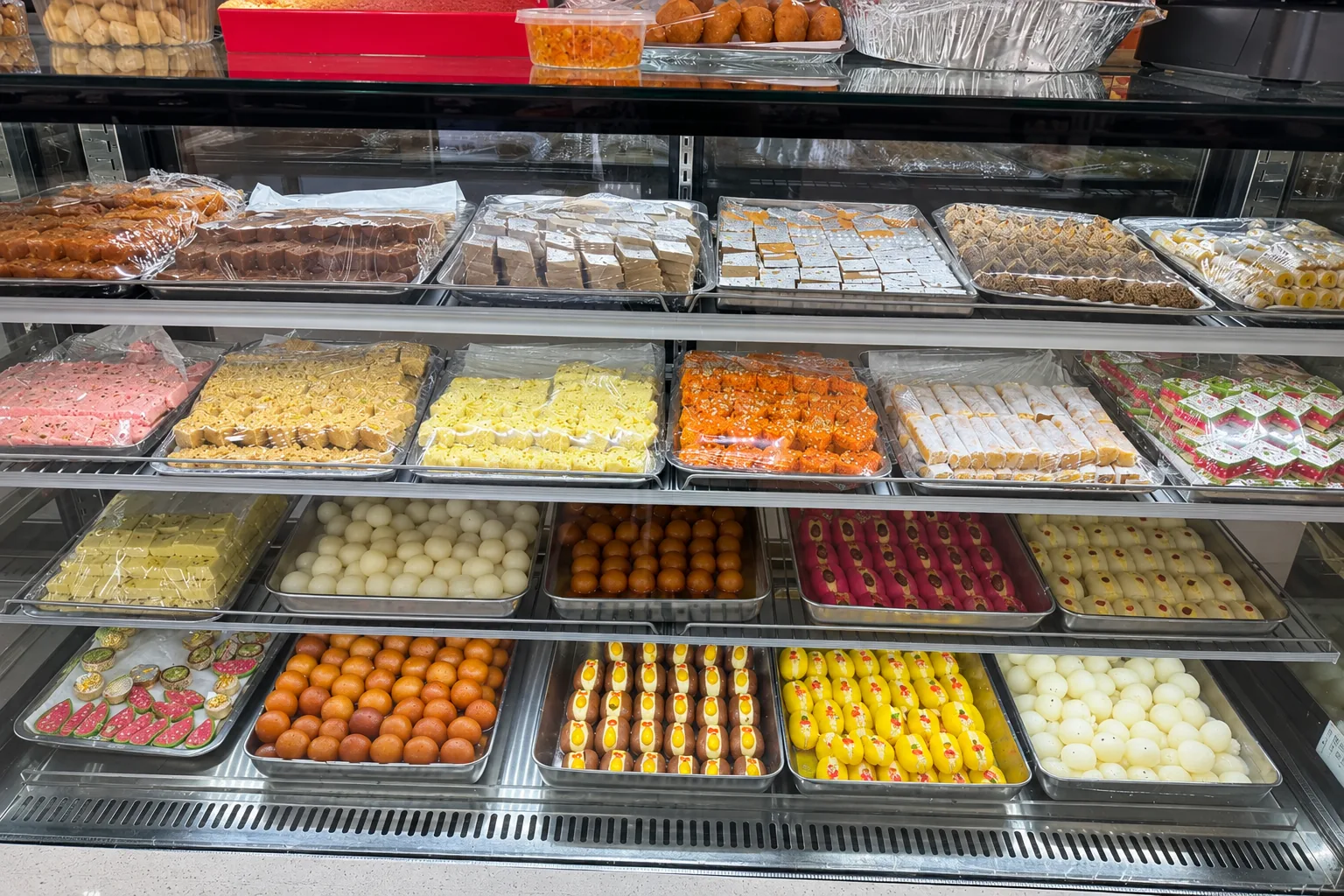
What Does Freshness Mean for Indian Mithai?
Freshness is not exactly the same for every Indian sweet. A soft milk-based sweet, a syrup-soaked gulab jamun and a firm cashew sweet all have different textures and storage requirements. A good sweet shop should be able to explain when a product was prepared, how it should be stored and how soon it is best enjoyed.
For milk sweets such as kalakand and peda, freshness is especially important because dairy-based products can be more perishable. For nut-based sweets, the quality of the ingredients and the way they have been stored can have a noticeable effect on flavour. Syrup sweets should have the texture intended for that particular recipe rather than being judged by the same standards as a dry sweet.
When buying mithai, consider asking:
- When was this batch prepared?
- Does it need refrigeration?
- How long can it be kept after purchase?
- Is it suitable for travelling or gifting?
- Does it contain nuts, dairy, gluten or other allergens?
These questions are particularly useful when buying for someone else or planning an event. Freshly prepared does not automatically mean preservative-free, and it does not guarantee a particular shelf life. Always follow the storage guidance provided for the specific product.
Understand the Main Types of Indian Sweets
One of the easiest ways to choose mithai is to think about texture and flavour rather than trying to recognise every name. Indian sweets offer far more variety than a single category of dessert.
Kaju Sweets: Smooth, Rich and Nut-Focused
Kaju katli is made primarily with cashews and is known for its smooth texture and delicate sweetness. Kaju roll offers a different presentation and may include a filling or additional nuts, depending on the recipe. These sweets are often chosen for premium gifting because they are easy to portion and present beautifully in a box.
If you enjoy the flavour of cashews, start with a small selection of kaju sweets before exploring other dry fruit varieties. Ask about the ingredients if you have allergies, as recipes and preparation environments can vary.
Milk Sweets: Soft, Creamy and Traditional
Milk cake, kalakand, peda and rasmalai are familiar favourites for people who enjoy dairy-based desserts. They are not interchangeable: milk cake has a distinctive cooked-milk character, kalakand is generally soft and grainy, peda is shaped into individual pieces, and rasmalai is served in sweetened milk.
Because these products differ in moisture and preparation, their storage requirements can also differ. If you are buying a gift that will be travelling for several hours, ask the shop which milk sweets are suitable and how they should be transported.
Laddoos: A Sweet for Every Occasion
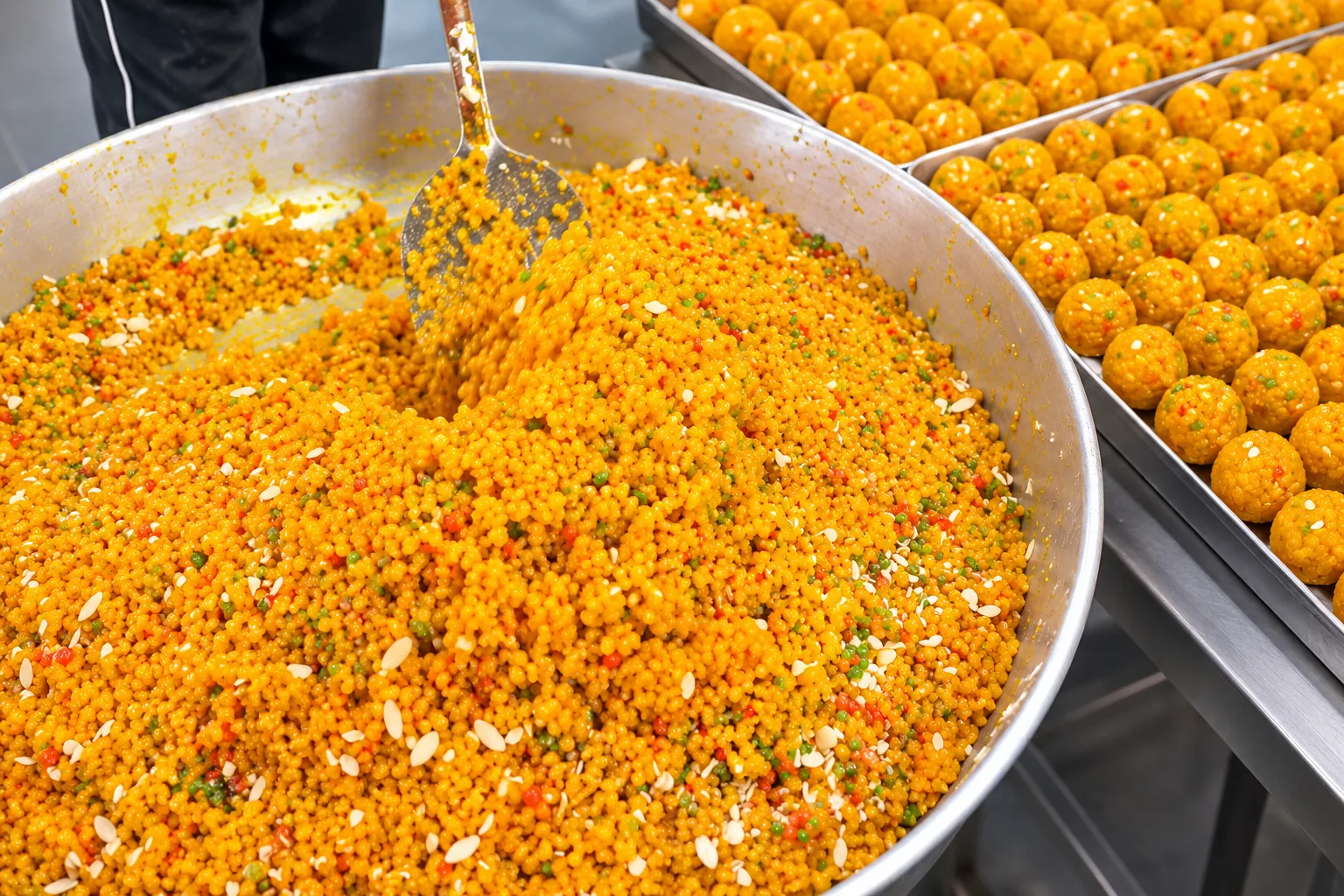
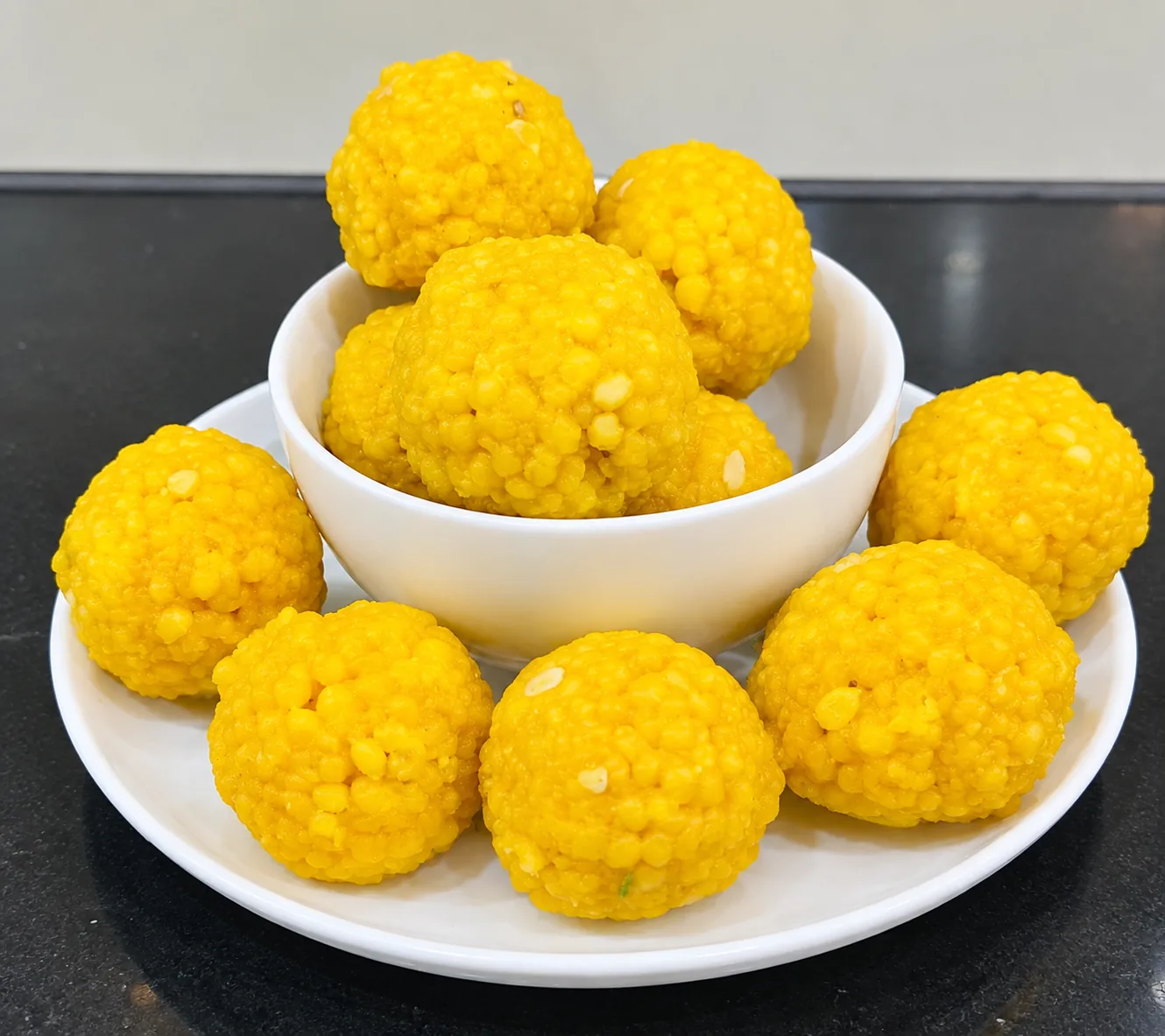
Laddoos are among the most recognisable Indian sweets, but the ingredients and textures vary considerably. Motichoor laddoo is made from tiny boondi pearls, while besan laddoo has a roasted chickpea-flour flavour. Boondi, coconut and dry fruit laddoos each offer a different experience.
For someone unfamiliar with Indian sweets, a mixed selection can be a good introduction. It allows them to discover whether they prefer nutty, roasted, soft or more traditional syrup-based flavours.
Barfi and Bengali Sweets
Barfi is a broad family of sweets that may feature milk, coconut, besan, pistachio, almond or other ingredients. Bengali sweets such as rasgulla and cham cham offer a different style, often with soft, moist textures and syrup-based preparations.
Rather than choosing solely by appearance, ask about the main ingredients and flavour profile. A colourful sweet is not necessarily sweeter or richer than a plain-looking one, and the best choice is usually the one that suits your personal taste.
Why Ingredients Matter
Traditional Indian mithai often relies on a relatively small number of ingredients, which means their quality can make a significant difference. Cashews, almonds, pistachios, milk, chickpea flour and desi ghee each contribute their own flavour and texture.
Pure desi ghee is valued in many traditional recipes for its rich aroma and cooking properties. However, not every Indian sweet is made with ghee, and different recipes may use different fats or dairy ingredients. If pure desi ghee is important to you, ask which specific products contain it rather than assuming the entire range is prepared in the same way.
At Baba Sweets, we prepare our Indian sweets locally in Melbourne using traditional recipes and selected ingredients. Our range includes premium kaju sweets, milk sweets, laddoos, barfi, Bengali sweets and festive varieties. You can explore our full collection through our Indian sweet shop in Melbourne to see the different styles available.
How to Choose Sweets for Different Occasions
The right selection depends on who will be eating the sweets and how they will be served.
For a family visit, a mixed box is often the most practical option. Include a few familiar favourites alongside something different, so everyone has a choice. For a gift, consider the recipient’s preferences, dietary requirements and whether the box will be eaten immediately or kept for later.
For weddings, religious gatherings and larger celebrations, it is worth discussing quantities, serving arrangements and storage before placing an order. A sweet that works beautifully as an individual gift may not be the most practical option for a large buffet or an outdoor event.
If you are arranging food for a celebration, Baba Sweets also offers Indian catering in Melbourne, with vegetarian menus and sweet options that can be discussed according to your event requirements. Planning the sweets alongside the main menu can help create a more balanced selection and avoid ordering too much of one variety.
Buying Mithai for Gifting
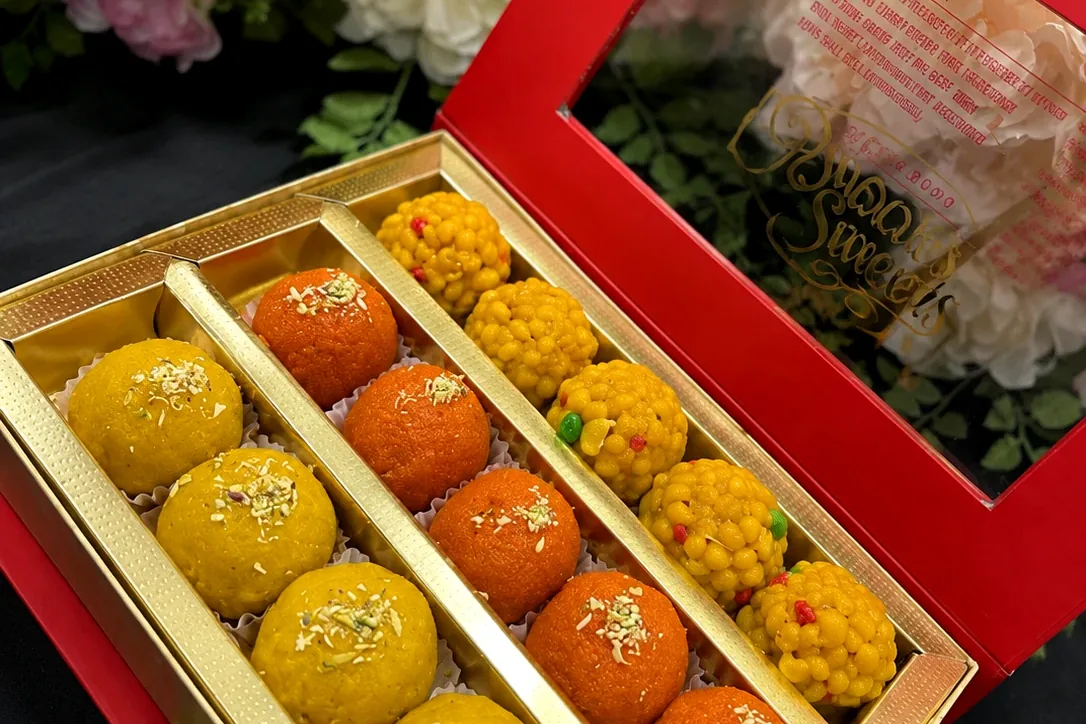
A thoughtful sweet box does not need to contain the most expensive products. It should suit the person receiving it. Someone who enjoys traditional flavours may appreciate besan laddoo, milk cake or peda, while a recipient who prefers nuts may enjoy kaju katli or a dry fruit assortment.
Presentation matters, but it should not come at the expense of freshness or suitability. Before ordering, consider the box size, number of recipients, delivery or collection date, and whether any sweets require refrigeration.
For corporate gifting or large family celebrations, ask about bulk quantities and packaging options early. This gives the sweet shop time to discuss availability and prepare an appropriate selection. Businesses looking to stock mithai for resale can also enquire about wholesale supply, where packaging, quantities and product suitability may differ from a standard retail purchase.
Storing Indian Sweets at Home
There is no single storage rule that applies to every type of mithai. Some products require refrigeration, while others may be stored differently depending on their ingredients, preparation and packaging.
Keep sweets in their recommended storage conditions and follow the use-by or best-before information supplied by the shop. Avoid leaving perishable sweets in a warm car or on a table for extended periods. If you are unsure whether a product is safe to eat, contact the supplier rather than relying on appearance or smell alone.
For gifting, it is helpful to pass storage instructions on to the recipient. This is especially important for milk-based sweets and products that will not be eaten immediately.
Where to Find Fresh Indian Sweets in Melbourne
Baba Sweets has been serving Melbourne since 2009, with stores in Truganina, Craigieburn, Thomastown and Wallan. Our pure vegetarian sweet shop and restaurant offers locally prepared mithai alongside Indian meals, snacks, takeaway and catering options.
Whether you are choosing a few sweets for home, arranging a festive gift box or planning a larger order, our team can help you explore the available range and select products suited to your needs.
Browse our Indian sweet shop in Melbourne to discover our sweet collections, or visit your nearest Baba Sweets store to see what is available. You can also order online for convenient collection or available delivery options.
Frequently Asked Questions
Which Indian sweets are best for someone trying mithai for the first time?
A mixed selection is a good starting point. Kaju katli, a milk sweet, a laddoo and a syrup-based sweet provide different flavours and textures without requiring you to choose only one style.
Are all Indian sweets made with pure desi ghee?
No. Ingredients vary by recipe. Some sweets use desi ghee, while others rely on milk, nuts, syrup or different ingredients. Ask about the specific product if ghee is important to you.
How far in advance should I order sweets for an event?
For large orders, festive periods or customised gift boxes, contact the shop as early as possible. Lead times depend on the products, quantities and availability.
Can I buy Indian sweets online in Melbourne?
Yes. Baba Sweets offers online ordering, with collection and delivery options depending on your location and the products selected. Check the ordering page for current availability.
What is the best way to store mithai?
Follow the instructions supplied with the specific sweet. Dairy-based, syrup-based and dry sweets can have different storage requirements, so avoid applying one general rule to every product.